
Understanding BJJ Belt Progression: Timeline and Requirements
Learn about the average time to earn each BJJ belt, IBJJF minimum requirements, and factors that affect your progression through the ranks.
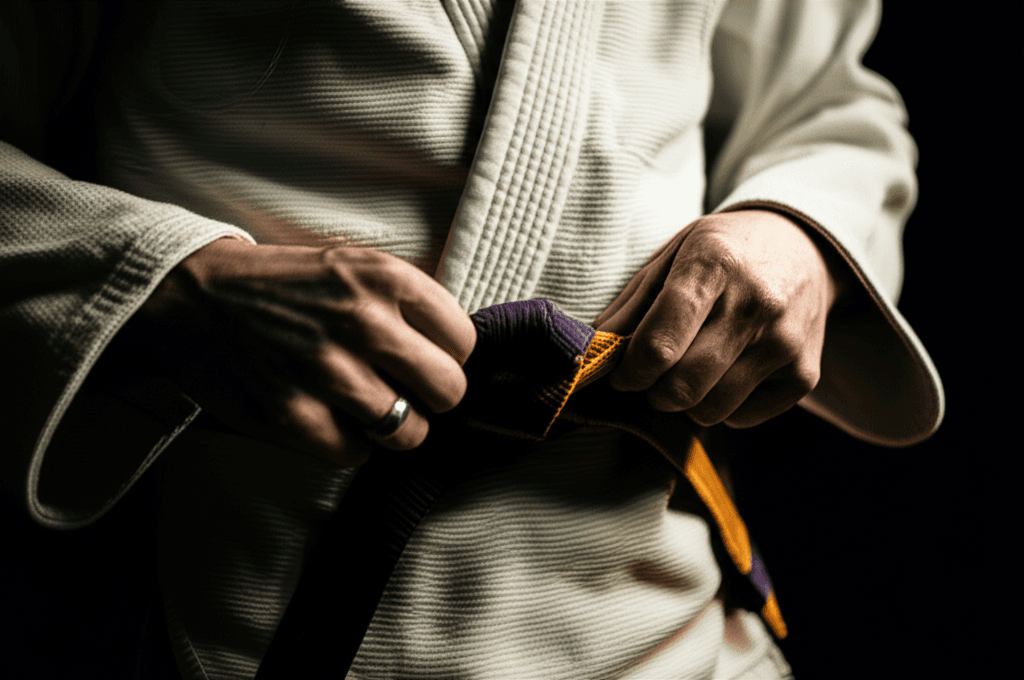
The BJJ belt system represents years of dedicated training
The journey through Brazilian Jiu-Jitsu belt ranks is one of the most rewarding experiences in martial arts. Unlike many other martial arts where belt promotions can happen quickly, BJJ is known for its rigorous standards and the significant time investment required to advance.

The Belt System
BJJ uses a progressive belt system for adults:
- White Belt - The beginning of your journey
- Blue Belt - Your first major milestone
- Purple Belt - Intermediate level with deep technical knowledge
- Brown Belt - Advanced practitioner, close to mastery
- Black Belt - Expert level, typically a lifelong pursuit
Each belt (except black) can have up to 4 stripes, which instructors award to mark progress between belt promotions.
Average Time at Each Belt
While individual timelines vary significantly, here are typical ranges:
| Belt | Average Time | IBJJF Minimum | |------|-------------|---------------| | White to Blue | 1-2 years | None | | Blue to Purple | 2-3 years | 2 years | | Purple to Brown | 1.5-2 years | 1.5 years | | Brown to Black | 1-2 years | 1 year |
Total time to black belt typically ranges from 8-15 years of consistent training.
Factors That Affect Progression
Training Frequency
The single biggest factor in your progression is mat time. Training 2-3 times per week is considered minimum for steady progress. Those who train 4-6 times weekly often progress faster, though recovery becomes increasingly important.
Quality of Training
Not all training is equal. A focused hour of drilling and specific sparring can be more valuable than two hours of unfocused rolling. Work with your coaches to identify weaknesses and address them systematically.
Competition Experience
While not required, competition accelerates learning by exposing you to different styles and forcing you to perform under pressure. Many instructors consider tournament experience when evaluating promotion readiness.
Athletic Background
Previous grappling experience (wrestling, judo, sambo) often leads to faster early progression. However, everyone eventually reaches similar challenges at higher belt levels.
Consistency Over Intensity
Training consistently over years matters more than intense bursts followed by breaks. The practitioner who trains 3x/week for 10 years will typically outpace someone who trains 6x/week but takes frequent extended breaks.
What Instructors Look For
Beyond technical proficiency, instructors evaluate:
- Mat awareness - Understanding of positions and transitions
- Problem-solving ability - Adapting techniques to different body types and situations
- Teaching ability - Can you explain techniques to lower belts?
- Mental toughness - How do you handle adversity on the mats?
- Character - Are you a positive training partner and representative of the academy?
Don't Chase Belts
The paradox of BJJ progression is that those who focus solely on belt promotions often progress slower than those who focus on genuine skill development. Trust the process, show up consistently, and the promotions will come.
Use our Belt Progression Calculator to get a personalized estimate based on your training frequency and current level.
The Journey Is the Reward
Every black belt will tell you that earning the belt wasn't the end goal—it was the person they became through the process. Embrace each stage of your journey, learn from every roll, and remember that the mats will always have more to teach you.
READY TO USE OUR FREE TOOLS?
Belt calculator, weight cut planner, training timer, and more.
Explore All ToolsTRACK YOUR TRAINING PROGRESS
Log your sessions, track techniques, and see your improvement over time with BJJChat.
Try BJJChat Free